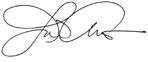
A signature takes only a moment.
Whether written in ink or entered electronically, the physical act is simple and takes only a few seconds. Yet in the boiler and pressure vessel industry, a signature often carries far more weight than the time it takes to make it.
Behind every signature is responsibility.
Throughout my career, I have signed numerous documents – inspection reports, certifications, approvals, and official correspondence. At first glance, those signatures may have appeared to be administrative formalities. In reality, each one represented something far more significant.
A signature is a declaration. It says, “I reviewed this information.” It says, “I understand what is being presented.” Most importantly, it says, “I am willing to stand behind it.”
In an industry built on safety and trust, that commitment matters.
Every day, inspectors, engineers, manufacturers, repair organizations, and jurisdictional officials place their signatures on documents that affect public safety. Inspection reports confirm the condition of equipment. Repair records verify that work was performed in accordance with applicable requirements. Certifications communicate compliance with established standards.
The public may never see these documents, but they benefit from them every day. They rarely think about the pressure equipment operating behind the scenes. They simply expect it to be safe. That expectation is supported by a system of codes, standards, inspections, and professional accountability, with individuals willing to put their names behind their work at the center of it.
One of the lessons I learned as Minnesota’s chief boiler inspector and continue to learn as NBBI’s executive director is that the most respected professionals were not necessarily those with the most experience or the longest resumes. They were the individuals who understood the responsibility that accompanied their decisions.
They recognized that a signature was not merely approval of a document. It was confirmation that they had exercised their professional judgment with care. A signature represents trust. It reflects trust between inspectors and owners, manufacturers and customers, and jurisdictions and the public they serve. We earn that trust through consistency, integrity, and professionalism.
Like safety itself, trust is built over time. It develops when people do the right thing, even when it may be easier not to. It grows when professionals ask difficult questions, verify information, and resist the temptation to take shortcuts. Those decisions often occur long before a signature is added to a document.
This responsibility also highlights the importance of mentorship. Technical knowledge can be taught through training, experience, and study. Understanding the weight of responsibility often comes from observing experienced professionals and learning from their example.
The next generation of inspectors and industry leaders must understand not only how to perform their duties, but why those duties matter. They must recognize that their names carry meaning and that every signature represents a commitment to the standards and values that protect the public.
Today, many documents move electronically through systems and databases. Technology has improved efficiency and streamlined processes in ways that were unimaginable just a few decades ago.
NBBI has embraced this shift through our Jurisdictional Reporting System, which helps jurisdictions and Authorized Inspection Agencies manage inspection information and reporting electronically. JRS makes it easier to document, track, and maintain the information behind those decisions.
Technology may change how information is recorded and shared, but it does not change the responsibility of the person whose name appears on the record. Whether written by hand or submitted digitally, a signature still represents personal accountability. In the end, the true weight of a signature is not measured by ink, paper, or technology. It is measured by the trust, integrity, and responsibility it represents.
And in our industry, those things will always matter.